Wet food for cats: a 6-step guide with expert advice
Minutes reading
Published on 18.08.2026 · Edited on 24.08.2026
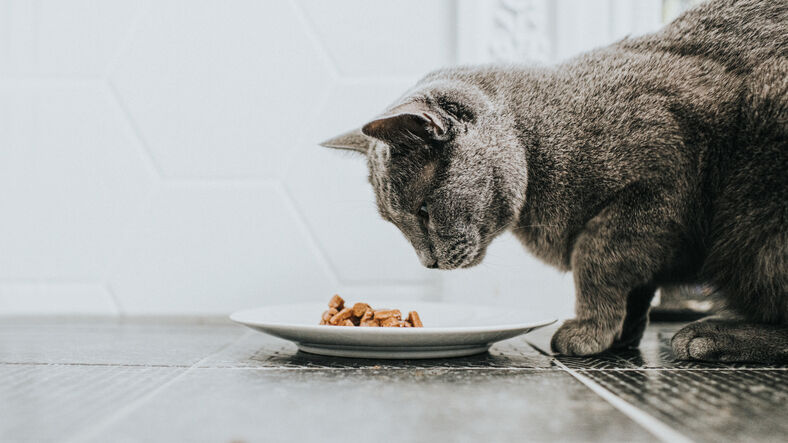
With so many options available on the market, choosing the right wet food for your cat can be challenging. That’s why, in this practical guide from Advance, you’ll discover how wet food can benefit your cat’s health. “It has a much higher moisture content than dry food, so it provides cats with additional hydration when they eat,” explains Mercedes González, veterinarian and popular science author, in her article “How much wet food should a cat eat each day”.
Wet food contains at least 60% water and is often highly palatable, with an irresistible taste that even the fussiest cats will accept. It also supports hydration, which is particularly important for a cat’s health, as many cats do not naturally drink enough water.
That said, even if you choose wet food for your cat, they should always have access to one or more bowls of clean, fresh water. “Cats are often more willing to drink if their water bowl is nearby, as they don’t have to make as much effort to get to it,” says Dr González.
Below, we explain how to introduce wet food correctly into your cat’s daily routine. You’ll discover the best options to suit your cat’s specific needs, whether they are a kitten, an adult (neutered or not), or a senior cat.
.png)
How to use wet food in your cat’s daily routine
According to Dr Mercedes González — who has also written two popular science books on caring for senior dogs and cats — these are some of the most important factors to consider when choosing a wet food and determining the right daily amount for your cat:
- Physical condition: the amount of wet food a cat should eat depends on their health, age and level of activity.
- Reproductive status: whether they are neutered, pregnant or nursing.
- Medical treatments: if they have a health condition, they may require a specialised diet.
For all these reasons, the recommended daily amount of wet food for cats can vary, as can the number of meals that should be offered throughout the day.
At Advance, we want to help you to incorporate wet food into your pet’s daily routine with these 6 key steps:
How much wet food does a cat need?
Advance’s wet food ranges for cats are complete and balanced foods that provide the nutrients your cat needs to maintain a healthy lifestyle. However, it is important to remember that the frequency and quantity of this type of food can vary depending on several factors.
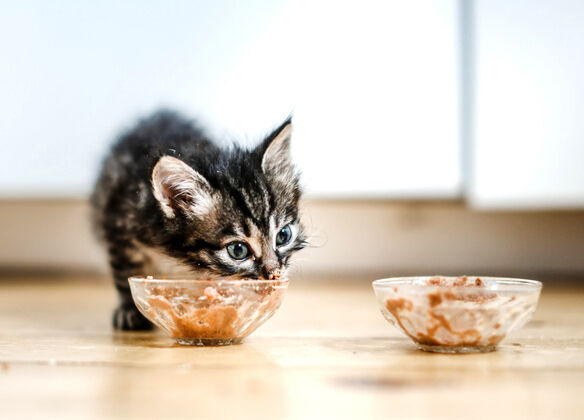
The first step is to check the product packaging, where you’ll find the recommended daily feeding amount for your cat. If you are still unsure about the quantity or how many times a day it should be offered, it is best to consult your trusted vet.
According to the article How Often Should You Feed Your Cat?, published by the Cornell University College of Veterinary Medicine in New York, the following recommendations can serve as a guide to how often to feed your cat:
- Kittens (< 6 months): 3 meals per day.
- 6 months to 1 year: 2 meals per day.
- Adult cats (≥ 1 year): 1 or 2 meals per day.
- Senior cats (over 10 years): maintain the same feeding routine unless otherwise advised by a vet.
Even so, the veterinary expert explains that there is no single feeding frequency that suits all cats, and that age is the main factor in determining how often they should eat. Establishing a consistent feeding routine is also important for your pet’s wellbeing, as is considering any specific needs they may have.
How to combine wet food and dry food (mixed feeding)
Is wet food or dry food better for cats? In reality, mixed feeding — also known as mix feeding — is one of the best ways to enjoy the benefits of both types of food. It also encourages greater water intake than a diet based solely on dry food and can help improve appetite control. “What matters most is that the food is nutritionally complete and balanced,” says the Cornell University article.
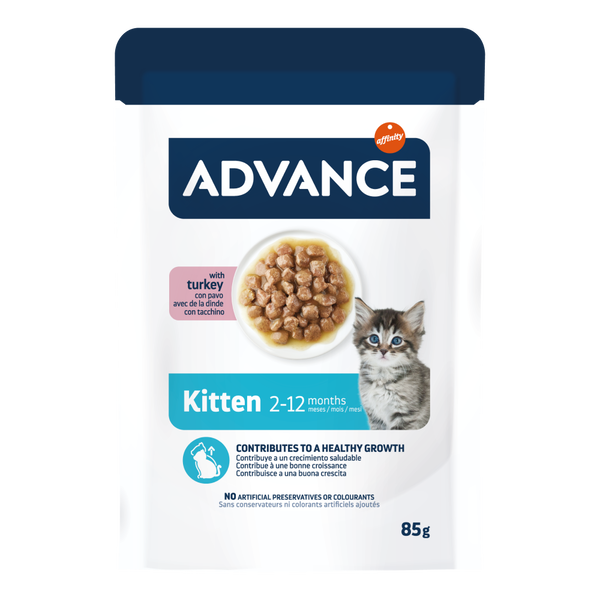
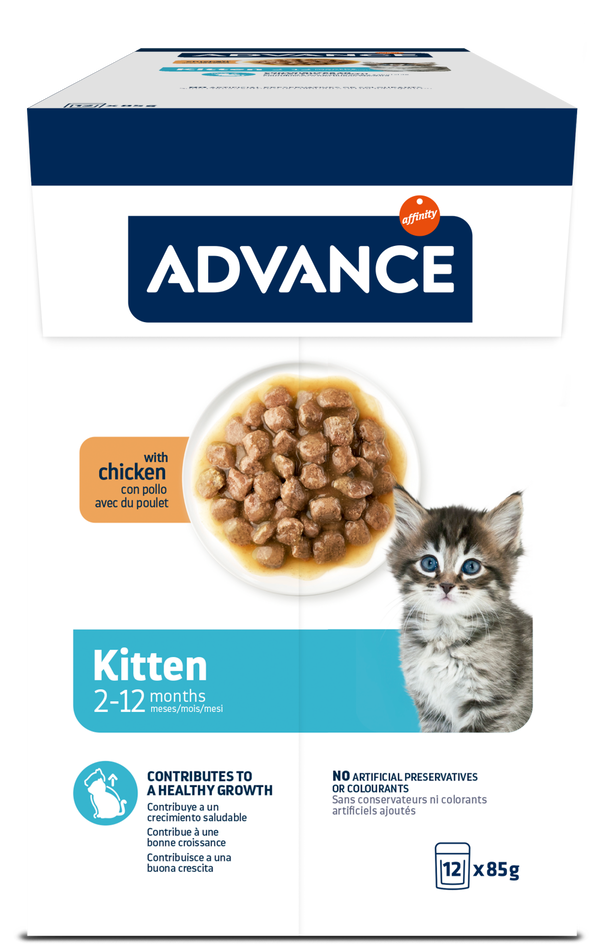
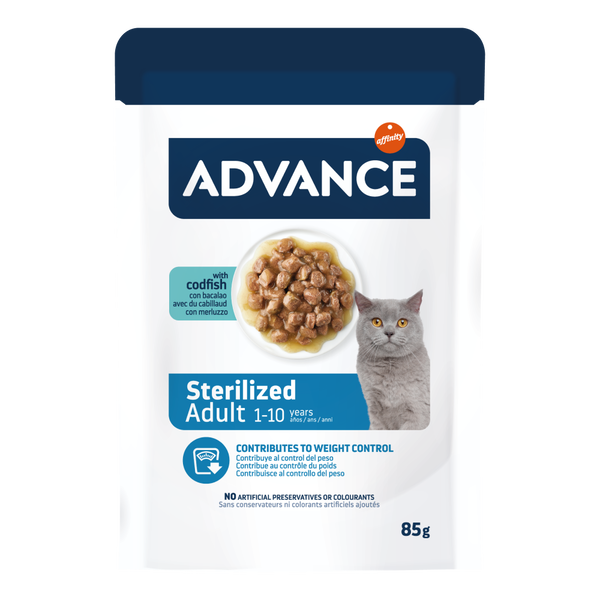
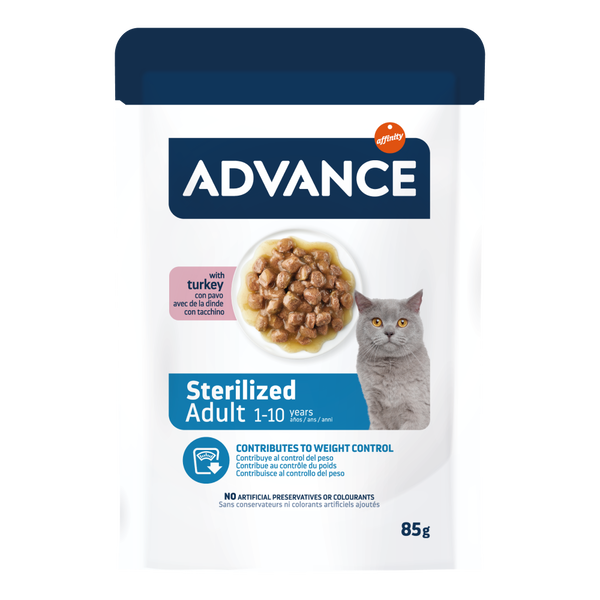
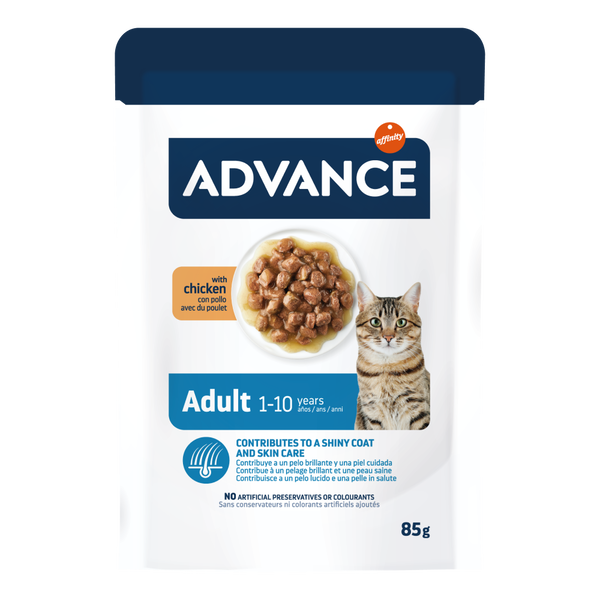
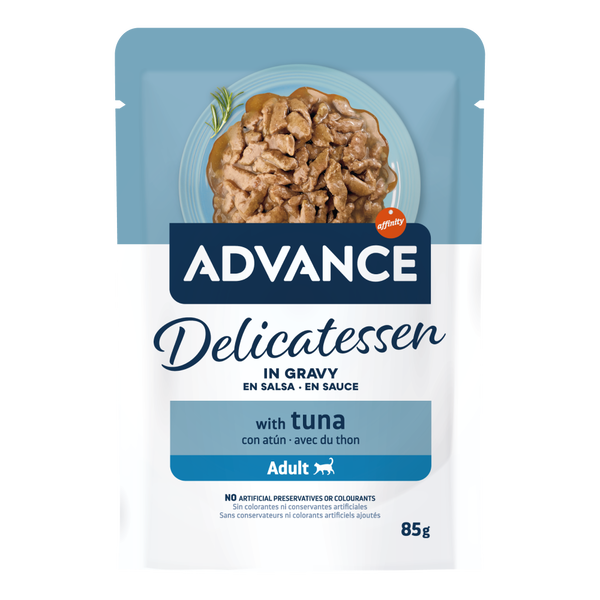
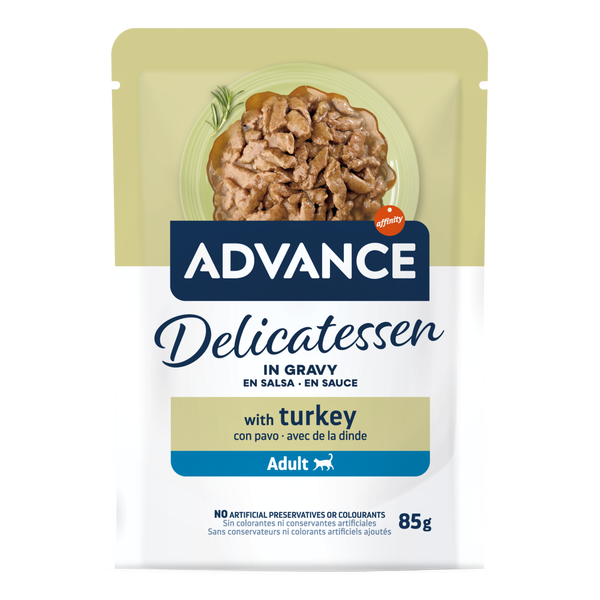
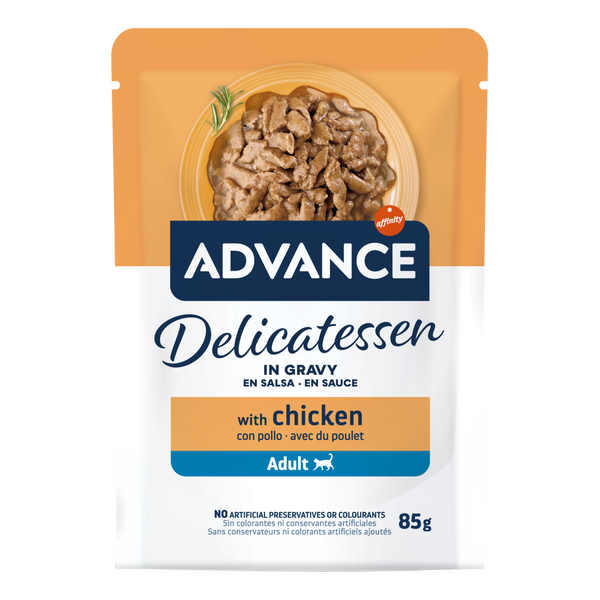
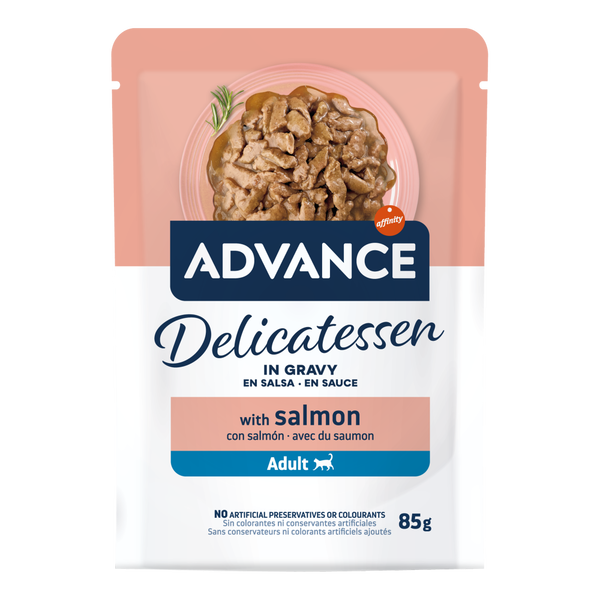
Ideally, both options should be combined in a balanced way to benefit from the advantages of each: the convenience and longer shelf life of dry food, which can be left available throughout the day for cats to graze on, just as they would naturally, together with the composition of wet food, whose moisture content more closely resembles that of the prey cats would hunt in the wild. At Advance, we offer a range of tasty wet food for cats that is made without colourants or preservatives.
“To prevent overfeeding and help maintain a healthy weight and body condition, especially in neutered cats, it is essential to calculate the correct amount of food,” says veterinarian Mercedes González. “This way, we can make sure their nutritional needs are met without exceeding their daily calorie requirements.”
Dry and wet food complement each other and, when used correctly, can improve both the nutritional quality and the palatability of your pet’s diet.
.png)
How to store wet food correctly
Before opening, wet food should be stored in a cool, dry place. Once a pouch or tin has been opened, it should be kept in the fridge and used according to the storage instructions provided on the packaging to help maintain freshness. “The high moisture content means it spoils more quickly,” explains Dr González.
It is also recommended to clean your cat’s food bowl thoroughly after each meal. In addition:
- Allow the food to reach room temperature before serving, or warm it slightly to enhance its aroma.
- Remove uneaten food from the bowl after 2–3 hours, as it deteriorates quickly at room temperature. If it has been left out for many hours, it should not be reused.
The best times to offer wet food to your cat
It is essential to understand and respect your cat’s habits when deciding the best times to offer complete and balanced wet food. Many owners include it as the main meals of the day and leave dry food available for the rest of the time. This is one of the most common ways to implement mixed feeding.
You can also use wet food as a treat, provided you do not exceed the recommended daily amount, particularly if your cat enjoys a specific flavour, as explained by Dr González.
How to start feeding wet food to a cat
Introducing changes to your cat’s diet requires patience and a gradual approach. You should change from dry food to wet food gradually over 7–10 days.
To begin, mix 25% wet food with 75% of your cat’s usual dry food, preferably in two separate bowls. Increase the proportion of wet food every two or three days, until you reach 100%, if you want to replace the previous dry food completely. This method helps prevent digestive issues and allows your cat to adapt more easily to the new flavours and textures.
What should you do if your cat won’t eat wet food?
If your cat doesn’t accept wet food at first, there are several strategies that may help spark their interest. For example, you could make the transition even more gradual or try serving the food slightly warmed to enhance its aroma and make it more appealing, if you have not already done so. It may also help to offer it at a different time of day or in small, freshly served portions several times daily. Other measures that can make the initial introduction easier include:
- Serving a small amount of wet food so your cat can try a different flavour.
- Trying different wet food textures and flavours to discover your cat’s preferences.
If your cat continues to reject wet food, it is advisable to consult your trusted vet to find the best way to change your cat’s diet in accordance with your cat’s individual needs. Choosing the most suitable wet food can make a real difference to their health, hydration and vitality.
Frequently asked questions
Is it a good idea to give my cat wet food?
Yes, wet food is recommended because it offers a range of benefits, including supporting hydration, easing digestion and helping with weight management. A diet with a high moisture content helps dilute urinary minerals and supports urinary tract health. In addition, its rich flavour and soft texture make it highly appealing to cats, particularly those that do not drink much water.
How much wet food should I give my cat each day?
The amount of food your cat needs each day depends on factors such as their weight, age, level of activity, health and whether they are neutered. In general, the portion should provide the energy and nutrients they need without exceeding their calorie requirements, as both underfeeding and overfeeding can affect their health and contribute to issues such as obesity or nutritional imbalances.
If you combine dry food and wet food, it is important to adjust the amount of each to maintain a balanced calorie intake and avoid overfeeding. Treats and snacks should also be taken into account, as they should make up only a small proportion of your cat’s daily intake.
For this reason, it is always best to follow the feeding guidelines provided on the product packaging.
Can I combine wet food with dry food?
Yes, combining both types of food allows you to benefit from the advantages of each. Dry food provides concentrated nutrients and energy that can be eaten throughout the day, while wet food contributes to hydration and may help promote satiety because of its higher water content. This mixed feeding approach can also increase their water intake through food and help manage your cat’s appetite more effectively than a diet based solely on dry food.
How should I store wet food once it has been opened?
Once opened, wet food should be stored in the fridge, preferably in an airtight container, and used within the period recommended by the manufacturer. Before serving, it is best to allow it to reach room temperature or warm it slightly to enhance its aroma. In addition, food should not be left in the bowl for longer than 2–3 hours.